


What the Buyer Knows™
Two families own tracts that touch. Same county road, same soil, close to the same acreage. One sells for a number the other family can hardly believe. What happened?
Usually, nothing about the dirt. The difference is what a buyer's team found when they looked at what each tract could become.
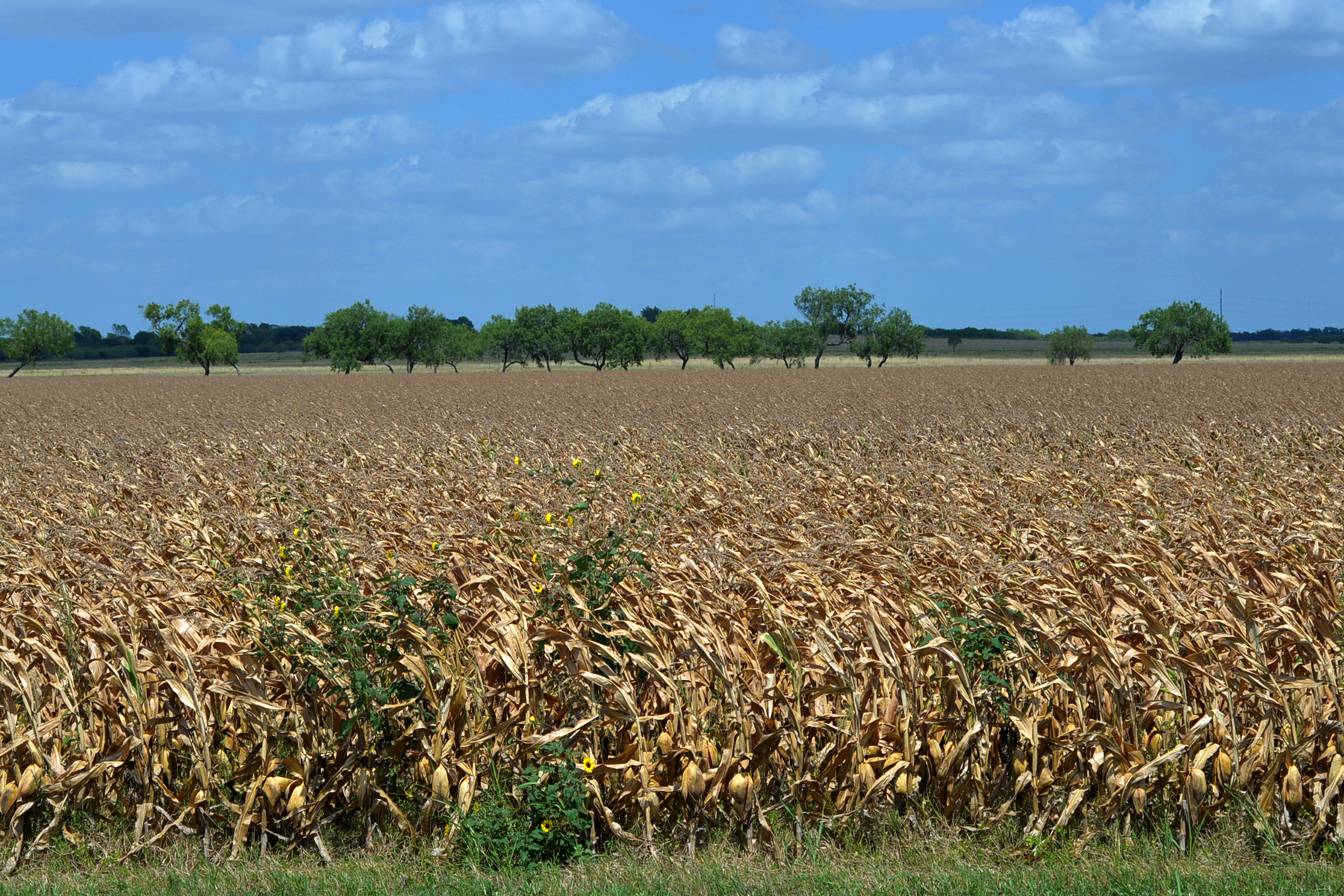
An acre is not an acre
Here are two real numbers from Milam County. In January 2026, 200 acres in the county traded for $96.0 million, or $480,000 an acre, according to the buyer's own press release (16 January 2026). At the end of August 2026, the median land listing in the same county was asking $17,796 an acre (Land.com, retrieved 31 August 2026).
Those are two different kinds of number. One is a closed sale. The other is what sellers are asking. They shouldn't be divided into each other. But the distance between them shows what power, water and entitlement can be worth.
The wider region tells the same story more quietly. In the Texas A&M Real Estate Research Center's Austin-Waco-Hill Country region, the median price hit a record $8,040 an acre in the second quarter of 2026, up 8.63 percent from a year earlier. The typical tract got smaller, down 4.32 percent to 199 acres (Texas Rural Land Markets, Q2 2026). Fewer acres, higher price per acre: the market is paying for the right piece of land, not just the biggest one.
What a buyer's team checks
- Water. Who holds the right to serve the tract, how close the lines are, and whether there's capacity to serve it.
- Wastewater. Sewer nearby doesn't mean you have sewer. More on that in the next episode.
- Power. What electric capacity is near the property, and how far it is to bring more.
- Access. Frontage on a paved road versus an easement across a neighbor.
- Floodplain. How much of the acreage is actually usable.
- City limits and ETJ. Whose rules apply, and what can be built under them.
- What's planned nearby. Roads, utility projects and the long-range plans on file with the city and county.
Two neighbors can come out of that list with very different answers. Utilities, especially, are everything.
The point
The problem isn't buyers. A buyer who studies a tract and makes an offer based on what they found is doing their job. That doesn't make the buyer wrong. The problem is when only one side of the table understands what the land can become.
Don't sell your land until you know what the buyer knows. If you own land in East Williamson or Milam County and you're weighing an offer, request a Legacy Land Value Review™. It's free, I take one a week, and you'll know what you own before you decide anything. Or call me at 512-269-5278.
From Dirt to Dollars.
Brad Robbins, Broker/Owner, Top Notch Properties
Any statement of value is a broker's opinion of value, not an appraisal. Sources: buyer's press release, 16 January 2026 (Milam County 200-acre sale); Land.com Milam County land listings, retrieved 31 August 2026 (asking prices); Texas Real Estate Research Center at Texas A&M, Texas Rural Land Markets, Q2 2026. Photo: Blackland Prairie farmland by Wilafa, CC BY-SA 4.0, via Wikimedia Commons. Top Notch Properties · Brad Robbins, Broker · TREC License #610974 · 512-269-5278.