


Central Texas doesn't freeze often, which is exactly why a hard freeze catches so many homes off guard. A few steps now, before the first freeze warning, can save you a burst pipe and a big repair bill.
Start early
Texas A&M AgriLife suggests getting ready in October or November and leaving your protections in place through March or April. Buy what you need now: pipe wrap and heat tape often sell out once freeze warnings go out.
Pipes
- Insulate exposed pipes, especially lines in the attic or in exterior walls.
- Shield pipes from the wind, which speeds up freezing.
- Find your main water shutoff now, so you're not hunting for it in the dark if a pipe breaks.
Outside faucets and irrigation
- Unhook garden hoses.
- Cover outdoor faucets (hose bibs).
- Drain your irrigation system.
Well houses
If you're on a private well, insulate the well house, wrap the pipes and set up a safe heat source before cold weather arrives. Don't wait for the forecast to get serious.
Livestock water
Check troughs every day during a freeze. In Central Texas, many owners use insulated buckets or break ice by hand twice a day. If you use automatic waterers, make sure they keep flowing during a sudden cold snap.
Pets
Bring pets inside during freezing weather. If an animal has to stay outdoors, give it a well-insulated shelter just big enough to hold its body heat, with a raised floor and deep straw. Skip blankets and towels, which hold moisture.
Questions about your home, or thinking about buying or selling this winter? Call our team at 512-269-5278.
Top Notch Properties
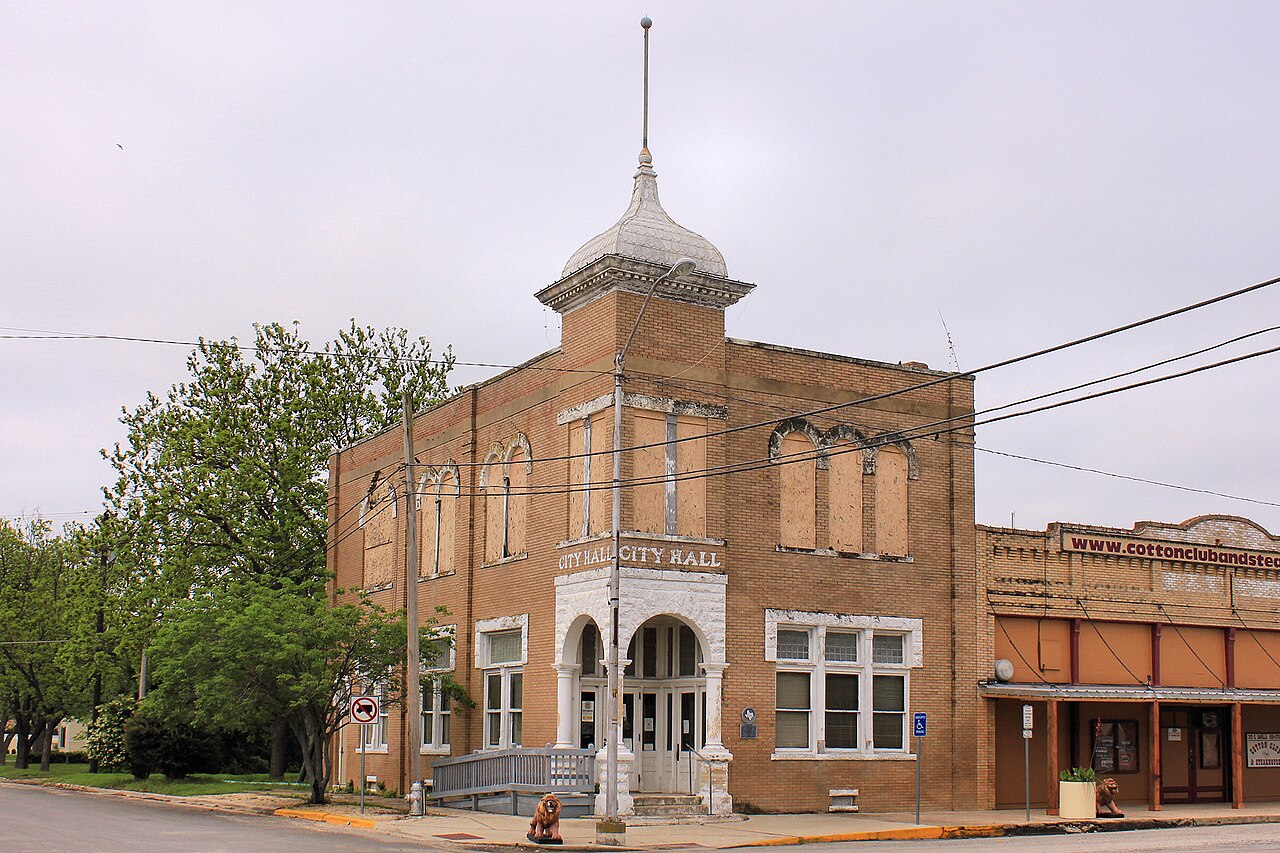
This post is general information. Source, checked 29 October 2026: Karn Dhingra, Protect livestock, plants, pipes and pets from winter weather, AgriLife Today, Texas A&M AgriLife, January 22, 2026. Photo: former Granger City Hall by Larry D. Moore, CC BY 4.0, via Wikimedia Commons. Top Notch Properties · Brad Robbins, Broker · TREC License #610974 · 512-269-5278.