


If your land sits just outside Taylor, Hutto, Thorndale or another city, it may be in that city's extraterritorial jurisdiction, or ETJ. That matters: in the ETJ, the city's subdivision rules can apply even though you're outside city limits. Since 2023, Texas law has given many landowners a way out.
What SB 2038 does
Senate Bill 2038, passed by the 88th Texas Legislature and effective September 1, 2023, lets residents and landowners remove an area from a city's ETJ in one of two ways.
By petition
- The petition must be signed by more than 50 percent of the registered voters in the area, or by the owners of a majority in value of the land, based on the appraisal district's tax rolls.
- Signatures must be gathered within 180 days of the first one.
- The petition needs a map and a boundary description by metes and bounds, or by lot and block if there's a recorded plat.
- Once the petition is verified, the city must release the area. If it doesn't act by the later of the 45th day after receiving the petition or its first meeting after the 30th day, the area is released by operation of law.
By election
- A resident can file a petition signed by at least 5 percent of the registered voters in the area asking for an election.
- The city holds the election on the first uniform election date at least 90 days later, and the city pays for it.
- If a majority of voters in the area approve, the city must release the area.
Exceptions
The law doesn't apply everywhere. The exceptions include areas within 5 miles of certain active military bases, designated industrial districts, areas under certain strategic partnership agreements, and a few others tied to county size and growth. Check whether any of them covers your land before you start.
Still being tested in court
Some Texas cities have challenged SB 2038 in court, and a few have refused petitions. Talk with a real estate attorney about the current status before you rely on a release.
What it means for land value
Leaving the ETJ doesn't automatically make land worth more or less. Once an area is released, the county regulates subdivisions there. That can mean different lot-size, road and drainage standards, and a different path to water and sewer service. For some buyers that's a plus. For others, being close to city services matters more. The right answer depends on what the land could become and who is likely to buy it.
ETJ status is one of the things a buyer's team checks before making an offer, along with utilities, access, floodplain and ag valuation. See what land buyers check, or request a free Legacy Land Value Review™. Questions? Call Brad at 512-269-5278.
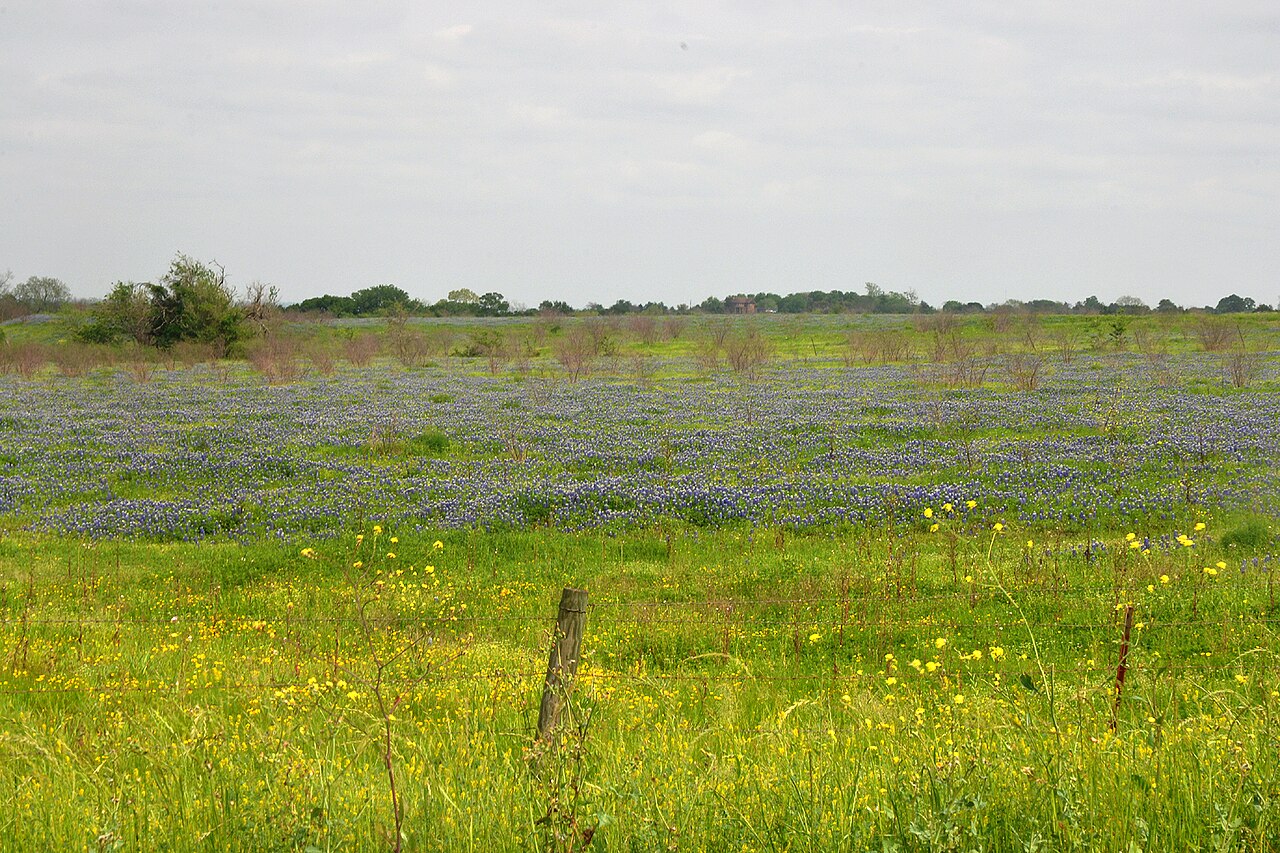
This post is general information, not legal advice. Sources, checked 7 October 2026: SB 2038 enrolled bill analysis, 88th Texas Legislature; Trellis, May 2025, on ETJ litigation. Photo: Blackland Prairie ranchland by William L. Farr, CC BY-SA 4.0, via Wikimedia Commons.