


A lot of the land around Taylor, Thorndale, Granger and Rockdale has been in the same family for generations. When a parent or grandparent passes, that land often goes to several people at once: brothers, sisters, sometimes cousins who live in different states. Selling it starts with a question most families haven't had to answer before: who actually owns it now?
Step one: clear title
A buyer and a title company need to see a clear line of ownership from the person who died to the people selling. In Texas there are a few common ways to get there:
- Probate with a will. If there was a will, the court can admit it, and in some cases it can be admitted as a "muniment of title," a simpler path when there are no debts beyond liens on the land.
- Determination of heirship. If there was no will, a court can formally declare who the heirs are and what share each one owns.
- Affidavit of heirship. A sworn statement, signed by someone who knew the family, that lists the heirs. It's recorded with the county clerk where the land sits. Title companies often accept it, but no one is required to, and it doesn't carry the weight of a court order.
Which path fits depends on the family and the paperwork. That's a question for a probate attorney, and it's worth asking early. Title problems are one of the most common reasons land sales get delayed.
Step two: everyone at the table
When several heirs own the land together, each of them owns a share of the whole. Generally, they all need to sign to sell all of it. If one heir won't agree, any co-owner can ask a court to divide the land or order it sold. Since 2017, Texas has had the Uniform Partition of Heirs' Property Act. It gives co-owners who didn't ask for a sale the chance to buy out the ones who did, at a court-determined value, and it favors dividing the land over forcing a sale.
Most families never get near a courtroom. But it helps to know the rules, because they shape every conversation about price.
Step three: know what you own before anyone names a price
Inherited land often comes with questions nobody has looked at in years:
- Is it still on agricultural valuation, and who has to keep it qualified?
- Where would water, wastewater and power come from?
- Is any of it in the floodplain, a city's ETJ or a planned road corridor?
- Are there old easements, pipelines or mineral reservations on the title?
Families who inherit land are often approached by buyers before the estate is even settled. That doesn't make the buyer wrong. But it's a hard moment to make a generational decision without the full picture.
A note on taxes
Inherited property can be treated differently for tax purposes than land you bought yourself. Before you sell, sit down with a CPA about what that means for your family.
If your family has inherited land in East Williamson or Milam County and you're not sure where to start, I'd be glad to help you understand what you own. Request a Legacy Land Value Review™, or call me at 512-269-5278.
From Dirt to Dollars.
Brad Robbins, Broker/Owner, Top Notch Properties
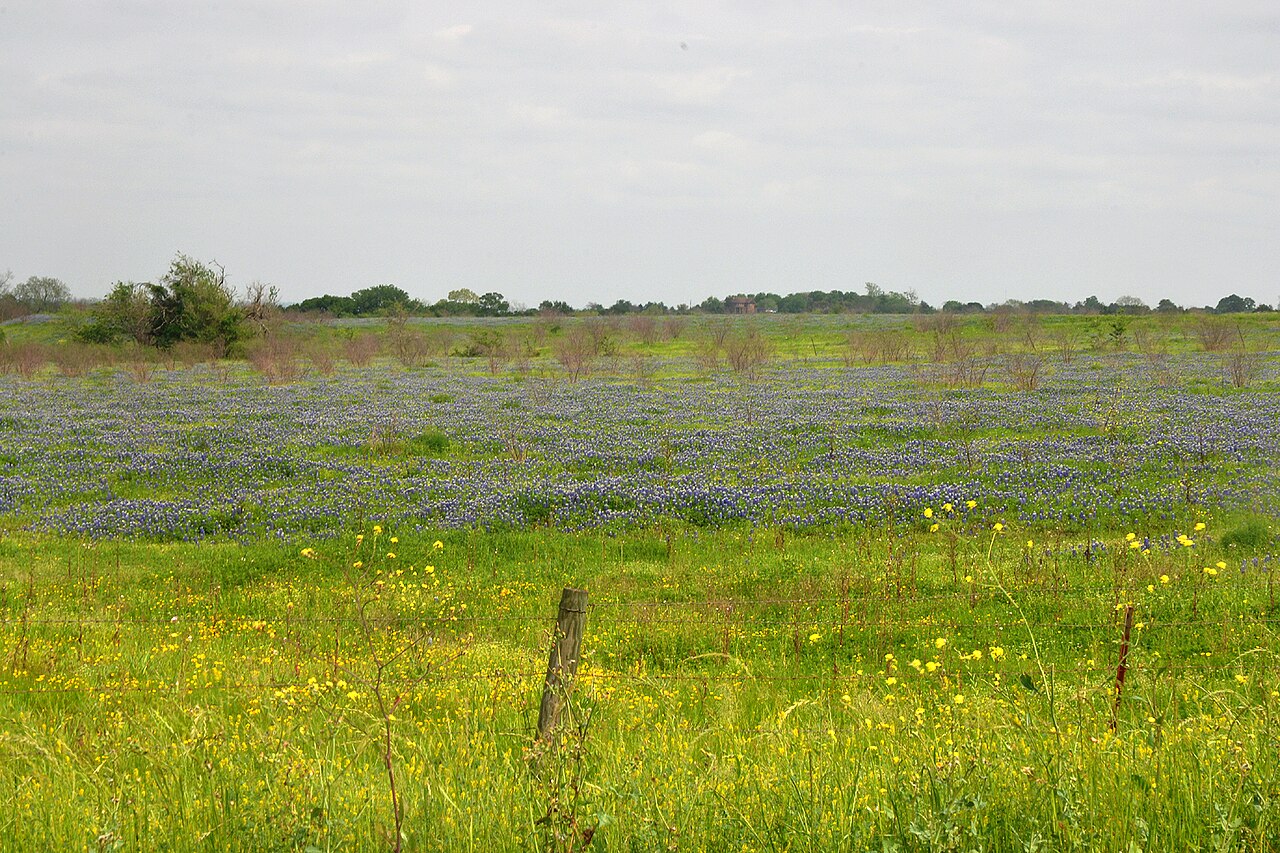
This is general information, not tax or legal advice. Talk to your CPA and your attorney about your specific situation. Sources: Texas State Law Library, Probate: Informal Methods (Texas Estates Code chapters 202, 203 and 257); SB 499, 85th Texas Legislature (Uniform Partition of Heirs' Property Act, Property Code chapter 23A, effective September 1, 2017). Checked 7 October 2026. Photo: Blackland Prairie ranchland by William L. Farr, CC BY-SA 4.0, via Wikimedia Commons. Top Notch Properties · Brad Robbins, Broker · TREC License #610974 · 512-269-5278.